Debunking Offshore Company Formations: Just How They Operate and What to Expect
Offshore company formations can seem complicated and enigmatic. Offshore Company Formations. These entities, typically established for tax benefits and personal privacy, run under special legal structures. Entrepreneurs may locate themselves maneuvering through a puzzle of regulations and conformity requirements. Comprehending the intricacies is necessary for success. What are the actual advantages? What are the prospective challenges? A closer evaluation reveals the subtleties that could influence decision-making significantly
Recognizing Offshore Business: Kinds and meanings
Offshore business are entities developed in a territory outside of a person's or company's main nation of house, frequently for purposes associated to tax obligation optimization, possession defense, or regulative benefits. These firms can take numerous kinds, including minimal responsibility business (LLCs), international organization firms (IBCs), and offshore counts on. Each type offers specific features and charms to various requirements.
Minimal obligation firms supply proprietors with defense from individual liability, while worldwide business firms are preferred for their adaptability and marginal coverage needs. Offshore depends on, on the various other hand, are made use of primarily for estate preparation and possession defense.
The option of jurisdiction substantially affects the firm's operations, as some places offer a lot more favorable legal structures and privacy protections. Offshore Company Formations. Understanding the differences in between these types is crucial for businesses and individuals considering offshore frameworks, as each option lugs various implications for administration and compliance
The Advantages of Establishing an Offshore Company
Developing an offshore company can give many advantages, specifically for those seeking to enhance their financial approaches and safeguard their assets. One considerable benefit is tax obligation optimization; lots of jurisdictions use beneficial tax obligation rates or exceptions, enabling companies to preserve more earnings. Additionally, overseas firms can give a layer of privacy, shielding the identities of proprietors and investors from public examination.
One more benefit is possession protection. By placing assets in an overseas entity, individuals can protect their wealth from potential lawful insurance claims or political instability in their home countries. This structure likewise facilitates worldwide service procedures, allowing much easier access to worldwide markets and diverse clients.
Additionally, the facility of an overseas business can improve credibility and stature, attracting customers who value global business techniques. Generally, these benefits make offshore firm formations an eye-catching choice for companies and individuals going for financial growth and safety.
Trick Factors To Consider Prior To Developing an Offshore Entity
Before developing an overseas entity, a number of critical variables have to be evaluated. Legal conformity requirements, tax obligation effects and advantages, in addition to jurisdiction option, play a significant duty in the decision-making procedure. Comprehending these considerations can help people and companies browse the complexities of offshore business formations properly.
Lawful Conformity Needs
When taking into consideration the formation of an offshore entity, recognizing legal conformity requirements is necessary to ensure adherence to both worldwide and regional laws. Possible company owner have to familiarize themselves with laws regulating business registration, reporting responsibilities, and operational requirements in the picked jurisdiction. This consists of verifying the lawful demands for investors and supervisors, in addition to making sure compliance with anti-money laundering (AML) and know-your-customer (KYC) guidelines. Additionally, services should stay mindful of any licensing demands particular to their industry. Involving neighborhood legal and financial experts can provide valuable insights, ensuring that all needed paperwork is prepared and submitted correctly. Ultimately, complete understanding of legal compliance helps mitigate threats and cultivates a sustainable offshore procedure.
Tax Effects and Advantages
Countless local business owner think about the tax ramifications and benefits of forming an overseas entity as a vital aspect in their decision-making process. Offshore firms can use considerable tax benefits, such as decreased corporate tax obligation prices, exception from particular neighborhood tax obligations, and the capacity to postpone tax obligations on international earnings. These benefits can cause improved earnings and money flow, making overseas structures appealing for worldwide service operations. In addition, the possibility for tax obligation treaties may further lessen tax responsibilities. It is important for organization owners to recognize the complexities included, consisting of compliance with both worldwide and regional tax laws. Involving with tax obligation experts is recommended to navigate these complexities effectively and ensure excellent tax preparation approaches.
Territory Option Elements
What factors should one think about when selecting a territory for overseas company development? Key considerations include tax effectiveness, governing environment, and political stability. Jurisdictions with beneficial tax programs can substantially influence earnings. The regulatory landscape ought to use versatility and simplicity of compliance, enabling effective service operations. Political security is crucial, as it assures the safety and security of possessions and continuity of procedures. In addition, the track record of the territory can affect client trust and company partnerships. Access to banking services and the accessibility of professional support solutions are also essential. Ultimately, recognizing neighborhood legislations regarding possession, personal privacy, and reporting needs is important to determine that the overseas entity aligns with the service proprietor's goals and legal responsibilities.
The Process of Establishing Up an Offshore Company
Establishing up an offshore business entails a series of strategic actions that need careful preparation and conformity with international laws. A specific should choose a suitable territory that aligns with their business goals and offers favorable tax obligation benefits. Following territory selection, the next step is to choose a special company name and prepare the required paperwork, including short articles of incorporation and shareholder arrangements.
When the documents prepares, it needs to be sent to the pertinent authorities along with the required charges. After authorization, the company will get a certification of incorporation, formally developing its lawful presence. The individual need to after that open up a company checking account to assist in financial deals.
Preserving an overseas business includes sticking to recurring conformity demands, such as annual reporting and tax obligation commitments, which differ by territory. Consequently, recognizing each action is necessary for a successful offshore firm formation.
Regulative and legal Framework for Offshore Firms
While developing an overseas business can use substantial benefits, it is necessary to navigate via the complicated lawful and regulatory framework that regulates such entities. Each jurisdiction has its very own set of legislations that dictate everything from firm development to taxation and conformity demands. These laws are made to stop prohibited activities, such as money laundering and tax evasion, and their explanation typically require comprehensive documents and transparency.
Secret elements of this structure include the necessity of assigning regional supervisors, maintaining a registered workplace, and sticking to annual reporting commitments. Additionally, many jurisdictions enforce particular licensing demands for particular organization activities. Recognizing these legal specifications is important for making certain compliance and mitigating dangers linked with charges or lawful conflicts. Engaging with lawful professionals who specialize in offshore companies can aid in navigating with this detailed landscape, inevitably facilitating a successful and certified offshore service operation.
Typical Misunderstandings About Offshore Companies
Lots of people hold misconceptions about offshore companies, typically corresponding them with tax evasion and illegal activities. It is essential to recognize that these entities can run lawfully within a structure made for reputable business practices. Clarifying the lawful condition of overseas companies can help resolve these myths and advertise an extra exact understanding of their objective.
Tax Evasion Myths
Regardless of the expanding popularity of overseas business, mistaken beliefs concerning their use for tax obligation evasion continue. Numerous people erroneously think that developing an overseas entity is only a way to avoid tax obligations. Nonetheless, overseas business are typically used for legitimate objectives, such as possession defense, global organization growth, and investment diversity. The understanding that all overseas activities correspond to immoral tax evasion ignores the intricacies of global tax laws and compliance requirements. Furthermore, the substantial majority of offshore territories have actually carried out actions to fight tax obligation evasion, promoting openness and information exchange. This mischaracterization can hinder genuine organizations and investors from checking out the potential advantages of overseas business formations while bolstering a negative stigma bordering these entities.
Legal Condition Clarified
The legal standing of overseas companies is frequently misconstrued, leading to a range of misunderstandings. Several believe these entities operate in a legal grey area, assuming they are inherently prohibited or unethical. In reality, offshore business are legit businesses developed under the regulations of specific jurisdictions, made for numerous factors, consisting of possession defense and market development. An additional common false impression is that overseas firms escape taxes completely; nevertheless, they go through the laws and tax obligation commitments of their home nations. In addition, some individuals believe that overseas firms can be quickly manipulated for cash laundering or unlawful activities. While abuse can take place, a lot of jurisdictions enforce rigorous conformity and transparency regulations to alleviate such dangers, guaranteeing that offshore business operate within lawful structures.

Handling and Running Your Offshore Company Properly
Efficiently handling and running an overseas firm calls for a strategic technique that stabilizes conformity with local regulations and the pursuit of company goals. Successful offshore monitoring entails understanding the jurisdiction's tax obligation regulations, reporting demands, and operational guidelines. Utilizing neighborhood experts, such as accountants and legal advisors, can provide indispensable understandings right into going across these complexities.
Furthermore, developing clear interaction networks and functional procedures is vital for maintaining performance. Making use of innovation for project monitoring and partnership can enhance productivity, while routine efficiency reviews warranty placement with critical purposes.
Maintaining durable monetary records is vital, as openness cultivates count on with stakeholders and complies with international standards. Ultimately, being adaptable to changes in regulation or market conditions permits offshore companies to pivot properly, ensuring long-term sustainability and development. By sticking to these concepts, organization owners can maximize the advantages of their offshore ventures while mitigating threats.
Often Asked Inquiries
Just how much Does It Expense to Keep an Offshore Business Yearly?
The price to maintain an offshore company each year varies substantially, usually varying from $1,000 to $5,000, depending on jurisdiction, services called for, and compliance responsibilities. It is necessary to take right into account added fees for details demands.
Can I Open Up a Checking Account for My Offshore Business From Another Location?
Opening up a savings account for an offshore business from another location is usually possible. Requirements may vary by jurisdiction, commonly necessitating documentation and verification processes, which can complicate the remote application experience for individuals.
Are There Particular Countries Known for Easier Offshore Company Formations?
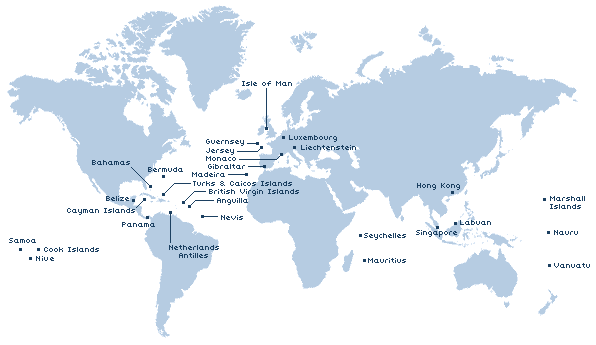
Certain countries, such as Belize, Seychelles, and the British Virgin Islands, are renowned for their favorable regulations and structured procedures sites regarding offshore firm formations, bring in entrepreneurs looking for efficiency and discretion in organization procedures.
What Kinds of Businesses Are Ideal Matched for Offshore Firms?
Certain businesses, such as financial investment, ecommerce, and consultancy firms, usually take advantage of overseas companies because of tax obligation benefits, privacy, and regulative adaptability - Offshore Company Formations. These entities commonly thrive in territories that promote positive service settings
How Can I Ensure Compliance With Neighborhood Legislations When Running Offshore?
To ensure conformity with local legislations when running offshore, it is vital to involve legal professionals, carry out detailed research study on jurisdiction guidelines, and maintain transparent monetary documents, thereby minimizing threats related to non-compliance.